I’ve spent years digging through bridal trends, florist price lists, and real wedding photos to figure out what actually works on the big day versus what just looks good on Pinterest. When it comes to a 16 red rose bouquet, I’ve tested the claims, talked to florists, and pulled together the details most articles skip.
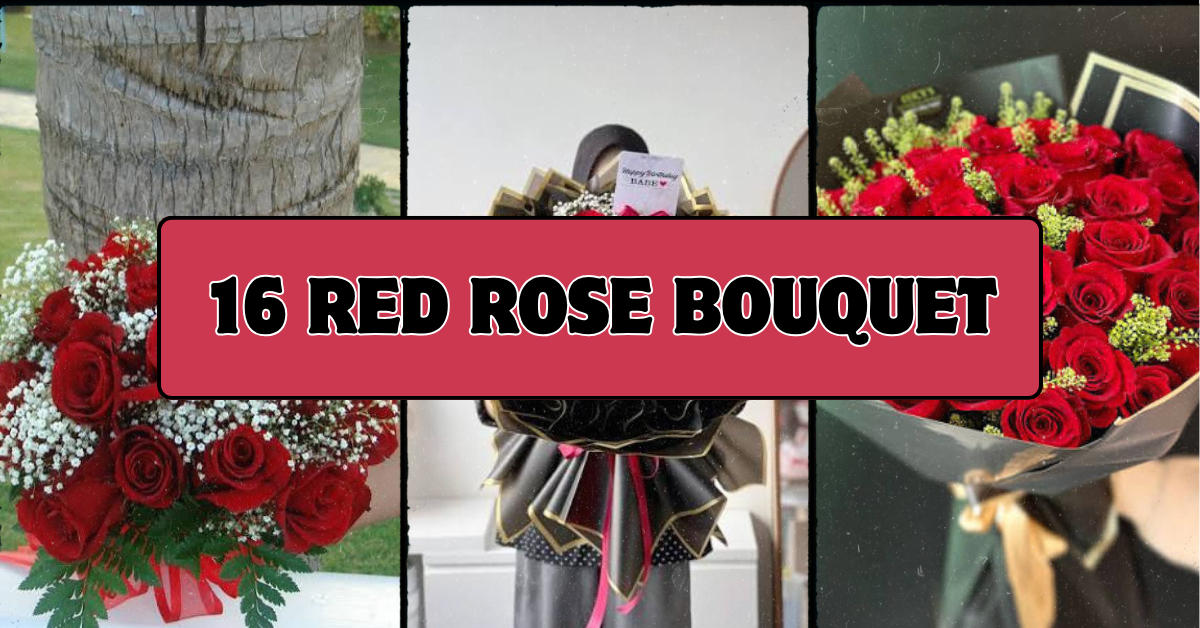
So what makes a 16 red rose bouquet special? It’s a classic, mid-sized arrangement using exactly sixteen red roses, often symbolizing a long-lasting bond or anniversary meaning. It suits most venues and seasons, costs roughly $80 to $180 depending on rose grade, and pairs well with simple or layered wrapping styles.
Stick around, because I’m covering styling options, budget breakdowns, seasonal fit, and care tips that most guides leave out.
The Different Looks You Can Create With 16 Red Roses
Here’s the thing nobody tells you: sixteen red roses can look completely different depending on how you arrange, wrap, and accessorize them. You can go full romantic drama, or keep things minimal and modern. I’m going to walk you through several distinct styles, what body of the bouquet works with which dress silhouette, and how each one holds up at different venues. Let’s get into it.
Classic Round Red Rose Bouquet
This is the bouquet everyone pictures when they hear “red roses for a wedding.” The sixteen stems get trimmed to even length and clustered into a tight, dome-shaped ball. It’s symmetrical, structured, and reads as timeless rather than trendy.
This shape flatters almost every gown silhouette, especially ballgowns and A-lines, because the round shape balances a fuller skirt. It works beautifully at churches, formal ballrooms, and black-tie receptions. Use satin ribbon in ivory or deep burgundy to wrap the stems, and keep the bouquet slightly smaller than your torso so it doesn’t overwhelm your frame.
Fittings matter here too. Bring your bouquet (or a stand-in) to your final dress fitting so your florist and seamstress can confirm proportions. This look gives off elegant, traditional vibes, perfect if your whole wedding theme leans classic.
Cascading Red Rose Bouquet
If you want drama, this is it. Instead of a tight round shape, the roses trail downward in a waterfall effect, often mixed with greenery like ivy or eucalyptus to extend the length.
This style suits tall brides or those wearing fitted mermaid and trumpet gowns, since the cascade elongates the body line instead of competing with it. It’s gorgeous for garden weddings, destination ceremonies, and outdoor venues with natural backdrops. Because it’s heavier, ask your florist about wire supports inside the stems so it holds shape through the ceremony and photos.
One quick tip: do a trial run with the full weight a week before the wedding. You want to know how it feels in your hands, especially if you’re also holding a long train. This bouquet creates a romantic, old-Hollywood glamour feel that photographs incredibly well against open skies.
Hand-Tied Rustic Red Rose Bouquet
This version skips the overly polished look. The sixteen roses get gathered loosely, stems left visible at the bottom, and wrapped in burlap, twine, or raw linen ribbon instead of satin.
It’s a natural fit for barn weddings, rustic outdoor venues, and fall ceremonies where earthy tones dominate the decor. This style pairs well with boho-inspired gowns, lace sheaths, or dresses with a relaxed, flowing fabric like chiffon. Add a few sprigs of baby’s breath or dried lavender between the roses for texture without losing the red-rose focus.
Since the stems stay exposed, make sure your florist seals them with floral tape underneath the wrap so moisture doesn’t stain your gown. This bouquet brings effortless, earthy charm, ideal if your wedding theme is more “farmhouse chic” than formal ballroom.
Compact Nosegay Red Rose Bouquet
Smaller and tighter than the classic round style, a nosegay bouquet groups the sixteen roses close together with minimal greenery, creating a dense, ball-like cluster you can hold with one hand.
This size works great for petite brides or anyone who feels overwhelmed carrying a large arrangement. It’s also a smart pick for courthouse weddings, small intimate ceremonies, or second weddings where a smaller silhouette feels more appropriate. Pair it with a sheath or column dress since the compact shape won’t compete with sleek lines.
Because it’s lighter, you can hold it comfortably for hours without arm fatigue, a detail brides rarely think about until the reception photos roll around. This look feels sweet, understated, and quietly elegant.
Mixed Red and White Rose Bouquet
Not every “red rose bouquet” needs to be entirely red. Blending sixteen roses with a portion in white or blush creates contrast and softens the intensity of all-red arrangements.
This combination works wonderfully for winter weddings, where white roses echo the season, or for brides who want red as an accent rather than the main event. It suits almost any gown color, though it looks especially striking against ivory or champagne-toned dresses. Ask your florist about a 10-to-6 or 12-to-4 ratio of red to white so the red still reads as dominant.
Keep in mind that mixed bouquets sometimes need extra floral foam or wire to balance stem thickness, since rose varieties differ slightly. This look feels romantic but a touch softer, great for brides who want red roses without the bold, saturated punch of an all-red cluster.
Red Rose and Baby’s Breath Bouquet
Adding baby’s breath between red roses creates a delicate, almost vintage texture. It’s an affordable way to stretch your bouquet’s visual size without buying additional roses.
This style is a favorite for spring and summer garden weddings, since the airy white filler mimics natural wildflower fields. It pairs beautifully with flowing boho dresses, off-shoulder necklines, and floral crowns or simple veils. Because baby’s breath is lightweight, it won’t add much weight to your bouquet, which is great news if you’re also managing a long veil or heavy jewelry.
One practical note: baby’s breath dries out faster than roses, so have your florist mist it lightly the morning of the wedding. This combination creates a soft, whimsical feel, less formal than a pure rose cluster but still rich in color.
Monochrome Red Rose and Red Ribbon Bouquet
For brides who want maximum visual impact, this version keeps everything red: the roses, the wrap, even the ribbon trailing from the stems. It’s bold, confident, and anything but subtle.
This works best for black-tie weddings, evening ceremonies, or winter holiday-themed weddings where deep red tones already dominate the color palette. Pair it with a dramatic gown, maybe one with a dark sash or contrasting black accessories, to let the bouquet be the statement piece. Velvet ribbon in a slightly darker shade than the roses adds depth without clashing.
Since this look is so saturated, lighting matters a lot for photos. Talk to your photographer beforehand about shooting in softer, natural light so the red tones don’t blow out or look overly dark in pictures. The vibe here is glamorous, dramatic, and unapologetically romantic.
Red Rose Bouquet With Pearl or Brooch Accents
Tucking small pearl pins or vintage brooches between the roses adds sparkle without overpowering the natural color. It’s a popular choice for brides who want a hint of heirloom elegance.
This style suits traditional church weddings and formal receptions, especially when paired with lace gowns or dresses featuring beaded bodices. If you’re using a family heirloom brooch, let your florist know early so they can design the placement around it rather than squeezing it in last minute. Costs rise slightly here, usually by twenty to forty dollars depending on the number of accent pieces.
Make sure pins are inserted securely and checked during your final fitting walk-through so nothing shifts loose during the ceremony. This look feels sentimental, polished, and a little bit glamorous without going overboard.
Budget, Season, and Venue Fit Comparison
| Bouquet Style | Average Cost (USD) | Best Season | Best Venue Type | Formality Level |
|---|---|---|---|---|
| Classic Round | $90–$150 | Year-round | Church, ballroom | Formal |
| Cascading | $130–$220 | Spring, summer | Garden, destination | Formal to semi-formal |
| Hand-Tied Rustic | $70–$120 | Fall | Barn, outdoor rustic | Casual to semi-formal |
| Compact Nosegay | $60–$100 | Year-round | Courthouse, small venue | Casual |
| Mixed Red/White | $90–$160 | Winter | Any indoor venue | Formal |
| Rose and Baby’s Breath | $70–$110 | Spring, summer | Garden, outdoor | Semi-formal |
| Monochrome Red | $100–$180 | Winter, evening | Black-tie | Formal |
| Pearl/Brooch Accent | $110–$200 | Year-round | Church, traditional | Formal |
This table should help you match a style to your venue and budget before you even step into a florist’s shop. It also gives you a realistic starting point for negotiating pricing.
Similar Variations You Can Try
If none of these feel like a perfect match, a few easy tweaks can change the whole personality of your bouquet:
Red rose and peony mix
: Adds volume and a softer, romantic texture, great for spring weddings.
Red rose and eucalyptus greenery
: Brings a fresh, slightly herbal scent and modern look, popular for rustic or minimalist themes.
Single oversized red rose accent
: One larger rose in the center with smaller ones surrounding it, creating a focal point effect.
Red rose boutonniere matching set
: Coordinating the groom’s boutonniere with a few stems from the bridal bouquet ties the whole look together.
Dried red rose bouquet
: A trendy, sustainable option that doubles as a keepsake since it doesn’t wilt.
Fitting and Preparation Timeline
| Task | Recommended Timing |
|---|---|
| Book florist | 9–12 months before wedding |
| Confirm rose variety and sourcing | 6 months before |
| Finalize wrap style and accents | 2–3 months before |
| Trial bouquet viewing | 4–6 weeks before |
| Final bouquet pickup or delivery | 1 day before or morning of |
Red roses, especially in bulk, often need to be pre-ordered through wholesalers, so locking in your florist early really does matter, particularly if your wedding falls near Valentine’s Day when demand and prices spike.
A Few Practical Notes Most Guides Skip
Red roses carry strong symbolic weight across cultures. In many Western traditions, they represent deep love and passion, which is part of why sixteen is often chosen to mark a specific anniversary or meaningful number for the couple. In some Asian cultures, red symbolizes luck and prosperity, making this bouquet choice feel even more fitting for weddings blending traditions.
Storage matters too. Keep your bouquet in a cool room away from direct sunlight until it’s time to walk down the aisle. If you’re having an outdoor summer wedding, ask your florist about a light anti-wilt spray, since heat can cause roses to droop faster than you’d expect.
And if you want to preserve the bouquet afterward, let your florist know in advance. Some offer drying or resin-casting services, and prices for preservation typically range from $150 to $400 depending on the method.
Wrapping It All Up
A 16 red rose bouquet works for nearly any wedding style once you know how to adjust the shape, wrap, and accents to match your venue, season, and gown. Whether you want the drama of a cascading arrangement or the simplicity of a hand-tied rustic cluster, there’s a version of this bouquet that fits your day perfectly.
At the end of it all, a 16 red rose bouquet isn’t just a pretty prop for photos. It’s a meaningful, flexible choice that can be dressed up or down to match whatever vision you have for your wedding.
Leave a Reply