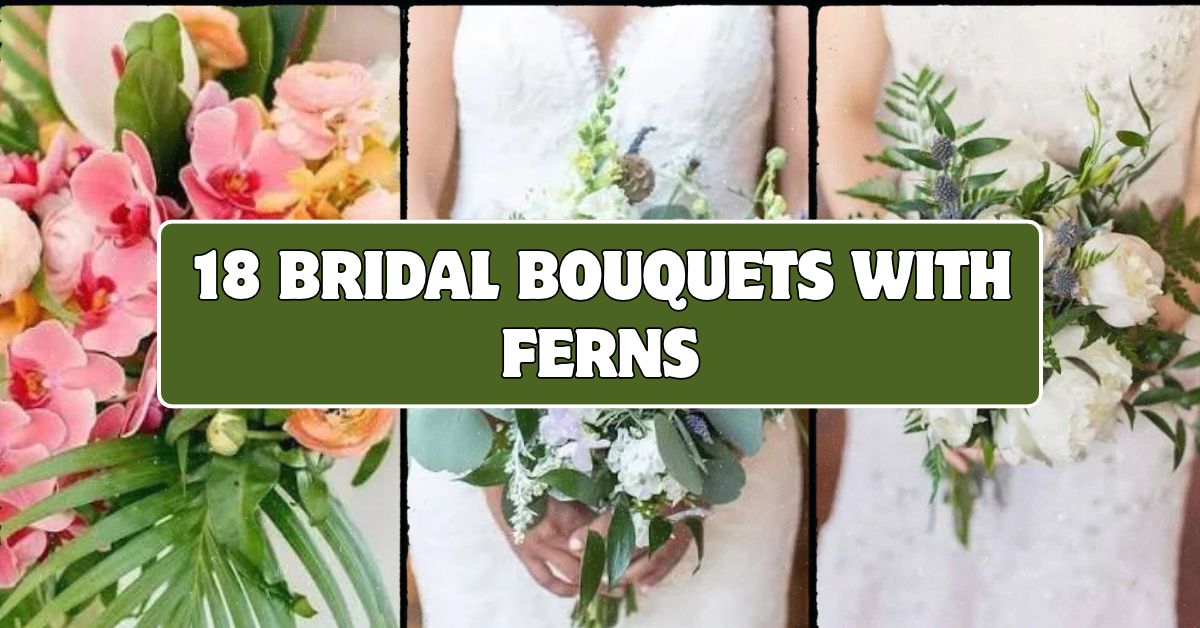
Ever caught yourself scrolling through wedding inspiration at 1 a.m., wondering what in the world you’re supposed to carry down the aisle besides roses and baby’s breath? I’ve spent years digging through florist portfolios and real wedding photos, and I can tell you that bridal bouquets with ferns are quietly becoming one of the most requested looks for brides who want something textured, organic, and a little unexpected.
So what makes a bridal bouquet with ferns work so well? Ferns add movement, texture, and a soft green backdrop that makes other flowers pop. They pair beautifully with roses, peonies, orchids, or standalone greenery for a minimalist, garden-fresh feel that suits almost any wedding style.
Stick around, because I’m breaking down 18 distinct fern bouquet styles, plus the budget, season, and venue details most articles skip right over.
Why Ferns Are Taking Over Bridal Bouquets This Season
I get why brides hesitate at first. Ferns sound more like something you’d find in your grandma’s living room than in a wedding bouquet. But here’s the thing: florists have been using fern fronds for decades to add depth and that “just picked from the garden” feel. They’re sturdy, they hold up in heat better than a lot of delicate blooms, and they photograph gorgeously against both light and dark colored dresses. Whether you’re going for boho, classic, tropical, or moody and romantic, there’s a fern variety that fits. Let’s get into the specific combinations.
Quick Comparison: Fern Bouquet Styles by Venue, Season, and Budget
| Bouquet Style | Best Season | Best Venue | Budget Range | Formality |
|---|---|---|---|---|
| Classic Rose & Fern Cascade | Fall, Winter | Church, Ballroom | $150-$300 | Formal |
| Boho Wildflower & Fern | Spring, Summer | Barn, Rustic Outdoor | $90-$180 | Casual |
| Minimalist Greenery-Only | Any season | Courthouse, Modern Venue | $60-$120 | Semi-formal |
| Tropical Fern & Orchid | Summer | Beach, Destination | $130-$250 | Semi-formal |
| Dried Fern & Pampas | Fall, Winter | Rustic Barn | $80-$160 | Casual |
| Fern & Calla Lily | Winter, Fall | Black-tie, Ballroom | $160-$320 | Formal |
Keep this table handy while you’re chatting with your florist. It gives you a starting point so you’re not blindsided by pricing surprises later.
1. Classic White Rose and Fern Cascade Bouquet
This one’s a safe bet if you want timeless with a twist. White garden roses mixed with trailing leatherleaf fern create a cascading shape that drapes beautifully over a ballgown or fitted mermaid silhouette. The fern fronds add softness without competing with the roses for attention.
This style suits taller brides best since the cascade elongates the frame, though a shorter bride can ask for a tighter drop to avoid overwhelming her proportions. It fits church ceremonies and black-tie receptions especially well. Pair it with a cathedral veil and pearl drop earrings. Order this one about six weeks out so the florist has time to source premium roses. Up next, a looser, wilder version for brides who want less structure.
2. Boho Wildflower and Fern Bouquet
If structured bouquets make you nervous, this loose, gathered style feels effortless and low-maintenance. Think ranunculus, scabiosa, and wild sprigs of asparagus fern tied with a trailing ribbon. It’s asymmetrical on purpose, which gives it that “just wandered through a meadow” charm.
This look works for brides of every build since the irregular shape flatters rather than competes with the body. It’s a natural fit for barn weddings, backyard ceremonies, and destination elopements. Stick to a lightweight cotton or velvet ribbon so it doesn’t pull against your dress fabric. Fittings aren’t needed here, but I’d request a trial bouquet two to three weeks ahead so you can see how it photographs with your gown. Next, let’s simplify things even further.
3. Minimalist Greenery-Only Fern Bouquet
Sometimes less really is more. A bouquet made entirely of different fern varieties, maidenhair, Boston, and sword fern layered together, creates texture without a single flower. It’s modern, architectural, and surprisingly elegant.
This style flatters brides who prefer clean lines, especially with sheath or column dresses. It’s perfect for courthouse weddings, modern venues, or minimalist garden ceremonies. Keep the stems wrapped in a thin satin ribbon to match a sleek aesthetic. Because there’s no flower wilt to worry about, this bouquet holds up incredibly well through long photo sessions in warm weather. It’s also one of the most budget-friendly options on this list. From here, let’s add a pop of color back in with eucalyptus.
4. Eucalyptus and Fern Combination Bouquet
Pairing silvery eucalyptus with deep green fern fronds gives you a cool-toned, almost dreamy bouquet. The contrast in leaf shapes adds visual interest even without a single bloom.
This combination suits brides who want a muted, sophisticated palette, especially with ivory or champagne colored gowns. It works year round but feels especially fitting for fall and winter weddings where deeper greens read richer against cooler light. Add a few sprigs of lavender for subtle fragrance. Since eucalyptus dries beautifully, this bouquet can later be pressed or hung upside down as a keepsake. Let’s move toward something softer and more romantic next.
5. Peony and Maidenhair Fern Bouquet
Peonies bring that full, romantic volume brides dream about, and maidenhair fern’s delicate fronds soften the overall shape so it doesn’t feel too heavy. This combo reads soft, feminine, and a little vintage.
It pairs beautifully with A-line or ballgown silhouettes, giving the eye something delicate to balance against a fuller skirt. Spring and early summer are ideal since peonies are seasonal and pricier outside that window. Garden weddings and tented receptions showcase this bouquet especially well. Because peonies are delicate, request your bouquet be assembled the morning of the wedding, not the night before, so the blooms stay fresh through photos and the reception.
6. Tropical Fern and Orchid Bouquet
For destination or beach weddings, this bouquet brings serious drama. Bold orchids mixed with fern fronds and maybe a monstera leaf or two create a lush, vacation-ready look.
This style suits brides wearing lightweight chiffon or crepe gowns since the bouquet itself carries visual weight. It’s practically made for beach ceremonies, tropical destinations, or summer garden parties. Because orchids are sturdy, this bouquet actually holds up well in heat and humidity, which is a huge plus for outdoor summer events. Ask your florist about air-flown orchids if you’re not getting married somewhere they grow locally, since that affects both cost and availability.
7. Rustic Wildflower Fern Posy
A compact, hand-tied posy with daisies, wild asters, and sprigs of fern gives off an easygoing, countryside charm. It’s smaller than a cascade but still full of texture.
Petite brides often love this size since it doesn’t overwhelm their frame, though it works for any height honestly. Rustic barns, vineyard venues, and countryside chapels are the natural home for this bouquet. Wrap the stems in burlap or a cotton lace ribbon to tie the rustic theme together. This is one of the more affordable options since wildflowers cost less than specialty blooms. Let’s head into something with a little edge next.
8. Succulent and Fern Bouquet
Succulents bring a quirky, modern touch, and when paired with fern, the bouquet feels earthy but still polished. It’s a favorite among brides who want their bouquet to last well beyond the wedding day.
This combination suits desert or outdoor venues particularly well, and it photographs beautifully against both neutral and bold colored gowns. Spring and fall are ideal seasons since succulents don’t love extreme heat for long stretches. A huge perk here: succulents can be replanted after the wedding, so ask your florist about using rooted cuttings rather than cut stems. It’s a sentimental touch that keeps giving long after the big day.
9. Garden Rose and Fern Round Bouquet
The round bouquet is a classic shape for a reason. It’s tight, tidy, and symmetrical, which makes it a reliable choice no matter your dress style. Garden roses with fern tucked between the blooms keep things fresh and textured.
This shape flatters almost every body type since it’s compact and doesn’t pull focus from the waist or silhouette. It fits formal church weddings and black-tie receptions especially well. Pair it with a birdcage veil or simple drop earrings so the bouquet stays the statement piece. Because round bouquets are dense, expect a slightly higher stem count and cost compared to looser styles.
10. Cascading Fern and Trailing Vine Bouquet
If you love drama, this one delivers. Trailing ivy or jasmine vine combined with long fern fronds creates a waterfall effect that can reach well past the waist.
Taller brides and those in mermaid or trumpet gowns benefit most from this elongated shape. Cathedral style churches and grand ballrooms give this bouquet room to shine. Because of the length, I always recommend a practice walk-through during your final fitting so you know how to carry it without tripping on your own train. Winter weddings especially love this look since the deep greens contrast nicely against heavier fabrics like velvet.
11. Dried Fern and Pampas Grass Bouquet
Dried arrangements have had a huge moment, and fern fits right into that aesthetic. Mixing dried fern with pampas grass and a few dried roses gives you a neutral, textural bouquet that never wilts.
This is a fantastic option for brides getting married far from their florist, since dried bouquets can be shipped weeks ahead with zero stress about freshness. Boho and rustic venues are the best match here. It also works wonderfully for fall and winter color palettes. Because there’s no refrigeration needed, this is one of the easiest bouquets to transport yourself if you’re handling logistics solo.
12. Fern and Baby’s Breath Delicate Bouquet
Soft, airy, and a little whimsical, this pairing feels like a cloud you’re carrying down the aisle. Baby’s breath fills in the gaps between fern fronds for a light, romantic texture.
Petite and curvy brides alike tend to love this one since the airy shape doesn’t add visual bulk. It suits garden parties, spring showers, and daytime ceremonies especially well. Keep the stems short if you’re wearing a fitted gown so the bouquet doesn’t visually compete with your waistline. This is also one of the more budget-conscious choices since baby’s breath is inexpensive and widely available.
13. Lush Fern and Hydrangea Bouquet
Big, full hydrangea blooms paired with fern create volume without a huge price tag, since hydrangea heads are large and fill space quickly. The fern adds just enough contrast so the bouquet doesn’t look flat.
This works beautifully for brides wanting a fuller bouquet on a reasonable budget. Garden weddings, tented receptions, and summer ceremonies are the sweet spot here. Hydrangea can wilt faster in direct heat, so ask your florist about hydration treatments if you’re getting married outdoors in July or August. A quick dip in flower food water right before the ceremony extends freshness considerably.
14. Fern and Ranunculus Jewel Tone Bouquet
Deep burgundy, plum, and wine colored ranunculus against dark green fern creates a jewel toned bouquet that feels luxurious and a little moody. It’s a gorgeous pick for fall and winter brides.
This combination suits brides wearing deep colored gowns or adding a colorful sash, since the bouquet can either match or contrast depending on preference. Candlelit receptions and evening ceremonies make these colors pop even more. Because ranunculus is seasonal, confirm availability with your florist at least two months ahead if your wedding falls outside its natural growing window.
15. All-Green Fern and Fiddlehead Bouquet
Fiddlehead ferns, with their curled, spiral shape, add a sculptural element you won’t find in typical bouquets. Paired with flat fern fronds, this all-green bouquet feels fresh and architectural.
Modern and minimalist brides gravitate toward this look, especially those wearing sleek, unadorned gowns. It’s a strong match for spring weddings since fiddleheads are only available for a short window each year. Because of that limited season, I’d lock this bouquet in early with your florist to guarantee supply.
16. Fern and Calla Lily Elegant Bouquet
Calla lilies bring sleek, modern elegance, and fern softens their structured shape just enough to keep things feeling organic. This pairing reads sophisticated without trying too hard.
It’s a strong match for black-tie weddings and formal ballroom receptions. Taller brides in sheath gowns benefit from the vertical lines calla lilies naturally create. Keep stems wrapped tightly near the base so the lilies don’t bend or bruise during the ceremony. This bouquet photographs beautifully in both natural and low indoor lighting, which makes it a smart pick for evening weddings.
17. Autumn Fern and Dahlia Bouquet
Dahlias in burnt orange, rust, and deep red paired with fern capture that cozy, harvest season feeling perfectly. The fern adds a cooling green contrast against the warm toned blooms.
This bouquet fits rustic barns, vineyard venues, and outdoor fall ceremonies beautifully. Brides in ivory or champagne gowns will find the warm colors pop against the fabric. Dahlias are delicate though, so handle with care and avoid tight wrapping that could bruise the petals. This is a seasonal bouquet, so September through November is your sweet spot for availability and pricing.
18. Fern and Protea Modern Bouquet
Protea is bold, unusual, and instantly makes a statement, and fern grounds it with familiar, organic texture. This pairing suits brides who want something nobody else at the wedding has seen before.
It works wonderfully for destination weddings, especially anywhere with a tropical or desert backdrop. Modern, fitted gowns pair nicely with the bouquet’s structured shape. Because protea is more expensive and sometimes harder to source depending on your location, budget on the higher end and confirm sourcing with your florist at least two months out.
Fern Variety Comparison Table
| Fern Type | Texture | Best Paired With | Durability |
|---|---|---|---|
| Leatherleaf | Glossy, sturdy | Roses, calla lilies | High |
| Maidenhair | Delicate, lacy | Peonies, ranunculus | Medium |
| Asparagus Fern | Feathery, wispy | Wildflowers, baby’s breath | Medium |
| Boston Fern | Fluffy, full | Greenery-only bouquets | High |
| Fiddlehead | Curled, sculptural | Minimalist, modern bouquets | Low (short season) |
Maidenhair fern versus leatherleaf fern: maidenhair gives you a softer, more delicate look, while leatherleaf holds up longer in heat and travels better for destination weddings.
Asparagus fern versus Boston fern: asparagus fern adds a wispy, airy texture great for loose bouquets, while Boston fern is fuller and better suited to greenery-heavy, structured designs.
A few quick things to keep in your back pocket before your florist meeting:
- Ask about hydration tubes for stems if your ceremony is outdoors in summer heat
- Request a trial bouquet two to three weeks before the wedding if your budget allows it
- Confirm seasonal flower availability at least two months ahead for anything tied to a specific bloom
- Consider a preserved or dried version if you want a lasting keepsake afterward
- Match your ribbon fabric to your dress fabric so nothing snags or pulls
I’ve walked through a lot of options here, but if I had to leave you with one thing, it’s this: bridal bouquets with ferns give you flexibility that most single-flower bouquets simply can’t match. Whether you want cascading drama, a tight little posy, or something entirely green and modern, there’s a fern pairing that fits your dress, your venue, and your budget without much fuss at all.
Leave a Reply