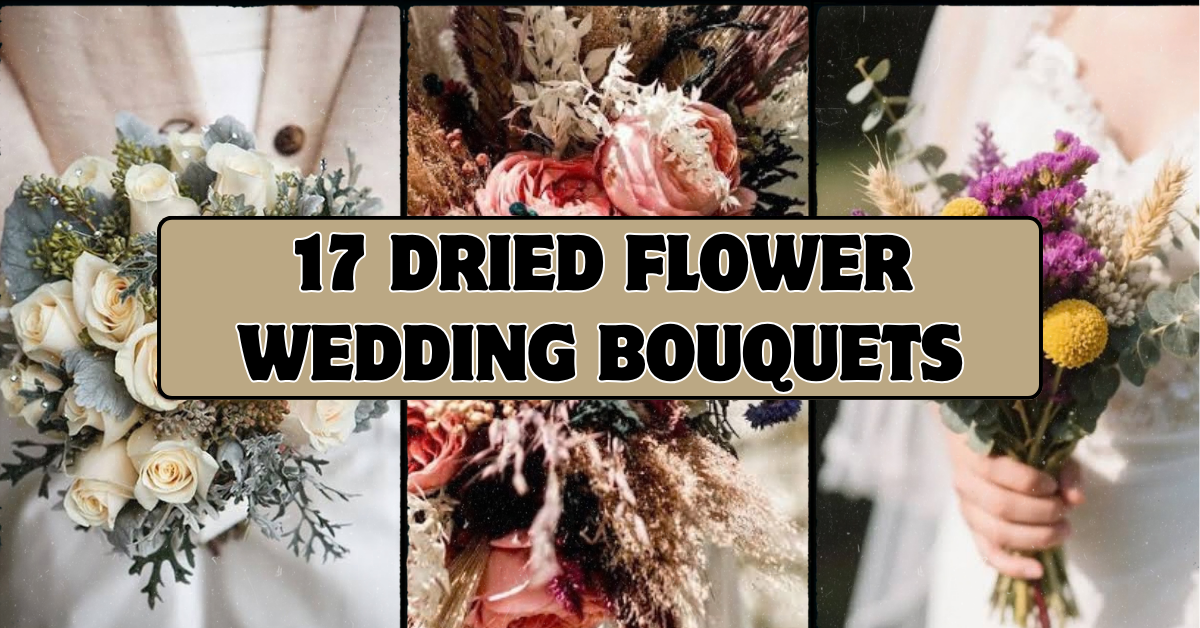
I’ve spent years digging through bridal trends, talking to florists, and watching what actually holds up on a wedding day versus what just looks pretty on Pinterest. That experience is exactly why I can tell you dried flower wedding bouquets aren’t a passing fad. They’re one of the smartest choices a bride can make right now, and I’ll show you exactly why.
So what’s the best dried flower wedding bouquet style? A mixed bouquet using pampas grass, lunaria, and preserved roses in neutral tones works for almost any venue, since dried stems hold their shape for months and never wilt under heat or time. Boho, rustic, and minimalist weddings suit this style best.
But there’s a lot more to picking the right dried bouquet than grabbing some wheat stalks and calling it done. Stick with me and I’ll walk you through seventeen distinct looks, plus the details on budget, season, and fitting your bouquet to your actual wedding style.
The Rise of Dried Flower Bouquets (And Why They’re Not Going Anywhere)
Dried flower bouquets used to feel like a budget backup plan. Not anymore. Brides are choosing them on purpose now, for reasons that go way beyond saving money. They travel well. They don’t need refrigeration. You can order them months in advance instead of scrambling the week of your wedding. And honestly? They photograph beautifully, with soft, muted tones that fresh flowers just can’t replicate.
I think the biggest reason they’ve taken off is permanence. A dried bouquet becomes a keepsake. You can hang it in your home for years after the wedding, which is something you simply can’t do with fresh peonies. Let’s get into the specific looks, because “dried flowers” covers a huge range of styles, from delicate and romantic to bold and textural.
1. Pampas Grass and Lunaria Boho Bouquet
This look leans hard into texture. Pampas grass gives you that soft, feathery movement while lunaria (also called “money plant”) adds a papery, almost translucent quality that catches light beautifully in photos. It works best for brides with a relaxed, flowy silhouette, think bohemian lace gowns or simple slip dresses. Pair it with minimal jewelry since the bouquet itself makes a statement.
For fit, ask your florist to size the bouquet to your height. Petite brides should ask for a smaller, tighter cluster so it doesn’t overwhelm the frame. This style thrives at outdoor, rustic, or barn weddings, especially in fall. Up next, a softer, more romantic take on dried blooms.
2. Preserved Rose and Baby’s Breath Romantic Bouquet
If pampas grass feels too wild for your taste, this one’s the answer. Preserved roses keep their shape and color far longer than fresh ones, and when paired with dried baby’s breath, you get a soft, classic, almost vintage feel. This bouquet suits ballgowns and A-line dresses with lace detailing, especially in blush or ivory color palettes.
Brides going for a traditional church wedding or a garden ceremony will find this style blends in naturally. Keep the stems wrapped in satin ribbon for a polished finish. Since preserved roses are more delicate than pampas grass, store the bouquet away from direct sunlight before the big day to prevent fading. Next, let’s talk about a bouquet built for cooler months.
3. Winter Wheat and Eucalyptus Bouquet
Winter wheat brings a golden, earthy tone that pairs beautifully with silver-green dried eucalyptus. This combination feels effortless and works well for brides wearing crepe or satin gowns with clean lines. It’s a strong match for winter weddings, especially ones with a neutral or “quiet luxury” color scheme.
Since wheat stems are sturdy, this bouquet holds up well through long photo sessions and doesn’t droop even in colder outdoor temperatures. If you’re having a winter wedding with a long coat or shawl as a cover up, this bouquet complements that layered look nicely. It also works for rustic barn venues year round. From golden wheat, we move to something with a punch of color.
4. Dried Statice and Strawflower Color Pop Bouquet
Not every dried bouquet has to be neutral. Statice comes in purples, yellows, and pinks, while strawflowers add a papery pop of orange or red. This combination suits brides who want a colorful, maximalist wedding theme without going the fresh flower route. It pairs well with colorful bridesmaid dresses or a bride wearing a non-traditional colored gown.
This bouquet fits spring or summer garden weddings particularly well, since the bright tones feel seasonally appropriate. For fitting, ask your florist to balance the color density so one shade doesn’t overpower the others. Destination weddings in warm climates also suit this style since nothing here will wilt in the heat. Let’s shift toward something with more drama.
5. Dried Protea and Thistle Statement Bouquet
Protea flowers are bold, structural, and almost sculptural looking, especially when dried. Paired with thistle, this bouquet has serious presence. It’s a strong choice for brides with modern, minimalist gowns, think sheath silhouettes with clean necklines, since the bouquet itself becomes the statement piece.
This style suits black tie weddings surprisingly well, especially in deep red or burgundy thistle varieties. It also works for fall and winter ceremonies. Since protea stems are thick and heavy, ask your florist about wire support so the bouquet doesn’t feel unwieldy during your ceremony walk. Moving from bold structure, here’s a softer, all-white option.
6. All-White Dried Bouquet (Ammobium and Dried Hydrangea)
White dried flowers give you that classic bridal look without the fresh flower price tag or wilting risk. Ammobium (sometimes called “winged everlasting”) combines with dried hydrangea for a full, cloud-like bouquet that photographs well against any gown color. This look suits traditional ballgowns, mermaid silhouettes, and lace A-line dresses equally well.
It fits almost any venue, from a courthouse ceremony to a cathedral wedding, since the all-white palette reads formal without trying too hard. For brides worried about matching their veil and bouquet tone, this combination stays consistently white rather than cream or ivory, so double check your dress shade matches. Next, let’s go smaller and more delicate.
7. Dried Baby’s Breath Cloud Bouquet
Sometimes less is more. A bouquet made almost entirely of dried baby’s breath creates a soft, cloud-like shape that feels romantic and effortless. This works beautifully for brides in simple slip dresses or minimalist silhouettes, since the fullness of the bouquet balances a streamlined gown.
This style is a favorite for elopements and courthouse weddings because it photographs well without needing much styling. It’s also budget friendly compared to most other dried arrangements on this list. Spring and summer weddings suit it best, though it holds up fine indoors during winter too. From delicate clouds, let’s move to something with more earthy texture.
8. Dried Fern and Moss Woodland Bouquet
For brides planning a forest or woodland themed wedding, dried fern paired with moss accents creates an earthy, grounded look. This bouquet pairs well with flowing boho gowns, especially those with subtle lace or crochet detailing. The green and brown tones work beautifully against natural wood venues or outdoor forest backdrops.
This look fits fall weddings especially well, when the color palette naturally leans warm and earthy. Keep the bouquet on the smaller side if your dress already has heavy detailing, so the overall look doesn’t feel too busy. Rustic and destination mountain weddings are perfect settings here. Next, let’s brighten things up again with a sunflower based option.
9. Dried Sunflower and Wheat Rustic Bouquet
Dried sunflowers bring warmth and a slightly whimsical feel. Paired with wheat stalks, this bouquet feels right at home at a countryside or farm wedding. It suits brides in cotton or linen style gowns, or simpler fit and flare silhouettes, since the bouquet’s casual nature matches a relaxed dress code.
This combination works best for late summer and early fall ceremonies. If you’re worried about sunflower petals being fragile once dried, ask your florist about a protective spray coating to help them survive the day without crumbling. This bouquet pairs naturally with rustic barn or vineyard venues. Let’s pivot to a more monochrome, elegant option next.
10. Monochrome Dried Bouquet (All One Color Family)
Choosing dried flowers all in one color family, like blush, terracotta, or sage, creates a cohesive, elegant look without needing a mix of varieties. This works for brides who want their bouquet to complement rather than compete with a detailed gown, such as one with heavy beading or embroidery.
Monochrome dried bouquets fit black tie and formal church weddings particularly well since the look reads intentional and polished. They’re also a smart choice for brides matching bridesmaid dress colors precisely, since you can color coordinate the bouquet to the exact same palette. This style works year round regardless of season. From a single color, let’s explore a bouquet built around texture contrast instead.
11. Textured Mixed Bouquet (Bunny Tail Grass and Dried Roses)
Bunny tail grass adds a soft, fuzzy texture that contrasts nicely against the structured petals of dried roses. This bouquet works well for brides who want visual interest without a loud color palette. It suits garden party style weddings and pairs nicely with tea length or midi wedding dresses.
This look fits spring and early summer best, when the softer textures feel seasonally appropriate. Since bunny tail grass is delicate, handle the bouquet carefully during transport and avoid excessive humidity exposure before the ceremony. Garden and backyard weddings are ideal here. Next, let’s look at a bouquet designed specifically for destination weddings.
12. Compact Dried Posy for Destination Weddings
Destination weddings come with packing challenges, and a compact dried posy solves that problem nicely. Smaller and tightly bound, this bouquet style uses dried lavender, small roses, and filler like dried baby’s breath. It suits brides in simpler, packable gown styles, think crepe or jersey fabrics that travel without wrinkling.
This bouquet fits beach, cliffside, or courthouse style destination ceremonies especially well since it’s lightweight and doesn’t require refrigeration or special care during travel. Order it a few weeks ahead so it arrives at your destination fully set and ready. Let’s shift to a bouquet made for brides who want a vintage feel.
13. Vintage Dried Hydrangea and Lace Wrap Bouquet
Wrapping a dried hydrangea bouquet in antique lace or your grandmother’s handkerchief adds a sentimental, vintage touch. This style suits brides wearing heirloom gowns or dresses with vintage inspired lace detailing. The soft, full hydrangea heads create volume without heaviness.
This bouquet fits traditional church weddings and formal venues particularly well. If you’re incorporating a family heirloom into the wrap, have it attached by a professional florist so it doesn’t shift or tear during the ceremony. This style works beautifully across all seasons since dried hydrangea holds its shape regardless of temperature. Next, a bold option for fall brides.
14. Burgundy and Rust Toned Fall Bouquet
Deep burgundy dried roses paired with rust colored strawflower create a rich, autumnal palette. This bouquet suits brides in deep jewel toned gowns or classic ivory dresses with fall colored bridesmaid accents. The warm tones photograph beautifully against changing leaves or string lit barn venues.
This look is a natural fit for October and November weddings. Since darker dried flowers can sometimes look muted in low light, ask your florist about adding small gold accents like dried billy buttons for extra dimension. Rustic and vineyard venues suit this bouquet especially well. Let’s move toward a more minimalist, modern bouquet next.
15. Minimalist Single Stem Dried Bouquet
Sometimes the simplest option makes the biggest statement. A single oversized dried protea or a cluster of pampas grass stems, tied simply, creates a modern, editorial look. This suits brides in sleek, modern gowns with minimal detailing, since the bouquet itself becomes a sculptural accessory rather than a traditional floral arrangement.
This style fits modern venue weddings, art gallery receptions, or minimalist courthouse ceremonies. It’s also one of the most budget friendly options on this list since it requires fewer stems overall. This look works in any season since the simplicity doesn’t rely on seasonal color trends. Next, let’s look at a bouquet built for layering multiple textures.
16. Layered Dried Bouquet (Pampas, Roses, and Eucalyptus Combo)
Combining three distinct textures, feathery pampas, structured roses, and silvery eucalyptus, creates a layered, full bodied bouquet that works as a true statement piece. This suits brides with ballgown or mermaid silhouettes who want a bouquet substantial enough to balance a dramatic dress.
This combination fits formal weddings across all seasons, though it’s especially popular for fall and winter ceremonies. Given the size and weight of this bouquet, have your florist build it with a lightweight wire frame so it doesn’t feel cumbersome during your ceremony or long reception photo sessions. Let’s finish with a bouquet made specifically for brides who want something truly unique.
17. Dyed Dried Flower Bouquet (Custom Color Bouquet)
For brides who want a specific color that doesn’t occur naturally in dried flowers, dyed dried bouquets are the answer. Florists can dye dried pampas grass, baby’s breath, or bunny tail grass in nearly any shade, from dusty blue to deep plum. This works for brides who have a very specific color palette in mind for their entire wedding theme.
This bouquet style fits themed weddings, color coordinated weddings, or brides wanting to match a specific bridesmaid dress color exactly. It works across all seasons and venues since the color is custom made rather than naturally occurring. Order dyed bouquets at least six to eight weeks ahead since the dyeing process takes longer than standard dried flower sourcing.
Dried Flower Bouquet Comparison by Budget, Season, and Venue
| Bouquet Style | Budget Range | Best Season | Best Venue | Fitting Timeline |
|---|---|---|---|---|
| Pampas Grass and Lunaria | $80-$150 | Fall | Rustic, boho | 2-3 weeks ahead |
| Preserved Rose and Baby’s Breath | $120-$220 | Spring, fall | Church, garden | 3-4 weeks ahead |
| Winter Wheat and Eucalyptus | $90-$160 | Winter | Barn, rustic | 2-3 weeks ahead |
| Statice and Strawflower | $100-$180 | Spring, summer | Garden, destination | 3 weeks ahead |
| Protea and Thistle | $150-$280 | Fall, winter | Black tie, modern | 4 weeks ahead |
| All-White Dried Bouquet | $130-$240 | Any season | Church, courthouse | 3 weeks ahead |
| Baby’s Breath Cloud | $60-$110 | Spring, summer | Elopement, courthouse | 1-2 weeks ahead |
| Fern and Moss Woodland | $90-$170 | Fall | Forest, rustic | 2-3 weeks ahead |
| Sunflower and Wheat | $85-$150 | Late summer, fall | Farm, vineyard | 2-3 weeks ahead |
| Monochrome Dried Bouquet | $110-$200 | Any season | Black tie, church | 3 weeks ahead |
| Bunny Tail and Dried Roses | $100-$190 | Spring, summer | Garden, backyard | 3 weeks ahead |
| Compact Destination Posy | $70-$130 | Any season | Beach, cliffside | 4-6 weeks ahead |
| Vintage Hydrangea Lace Wrap | $120-$210 | Any season | Church, formal | 3-4 weeks ahead |
| Burgundy and Rust Fall Bouquet | $130-$230 | Fall | Barn, vineyard | 3 weeks ahead |
| Minimalist Single Stem | $50-$100 | Any season | Modern, courthouse | 1-2 weeks ahead |
| Layered Pampas, Rose, Eucalyptus | $160-$300 | Fall, winter | Formal, ballroom | 4 weeks ahead |
| Dyed Dried Flower Bouquet | $140-$260 | Any season | Themed, color coordinated | 6-8 weeks ahead |
Dried Flower vs. Fresh Flower: Quick Comparison
Dried flowers
: Last for months or years, require no refrigeration, work well for destination weddings, offer muted earthy tones, cost slightly more upfront but save money on day of delivery logistics.
Fresh flowers
: Last only a few days, require careful refrigeration and same day delivery, offer vibrant saturated colors, generally cost more for premium varieties, risk wilting in heat or long ceremonies.
A Few Practical Notes Before You Order
Before you commit to any of these seventeen dried flower wedding bouquets, keep a few things in mind. Order from a florist who specializes in dried arrangements, since not every traditional florist stocks preserved or dried stems. Ask about care instructions for displaying the bouquet after the wedding, since many brides keep theirs for years.
Also think about how your bouquet color interacts with your gown fabric. Ivory lace reads differently next to blush dried roses than it does next to stark white ammobium. If you’re unsure, request a small sample arrangement before finalizing your full order. Most florists are happy to provide this for an extra fee, and it saves a lot of stress closer to your wedding date.
Wrapping It Up
Dried flower wedding bouquets give you something fresh flowers simply can’t: longevity, flexibility, and a little piece of your wedding day you can keep forever. Whether you’re drawn to the wild movement of pampas grass or the quiet elegance of an all-white hydrangea bouquet, there’s a dried flower combination here that fits your gown, your venue, and your budget. I hope this guide to dried flower wedding bouquets gave you a clearer picture of what’s possible, and maybe even sparked an idea you hadn’t considered before.
Leave a Reply