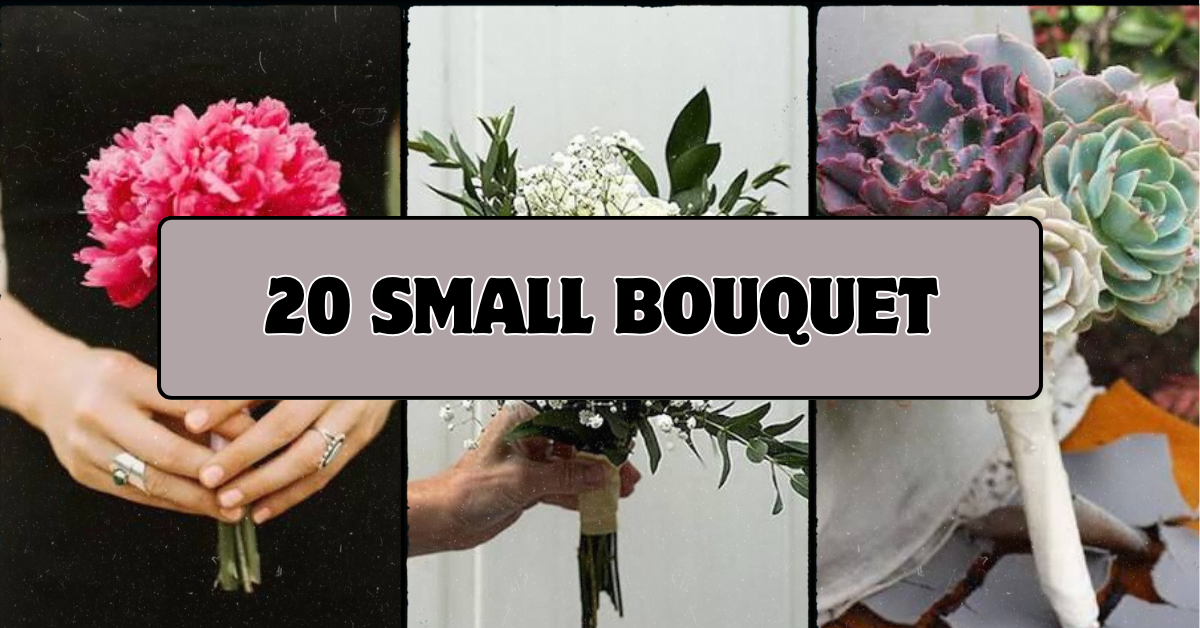
I’ve spent years digging through wedding trends, flower trends, and all the little details that brides stress over, and I can tell you one thing for sure: the small bouquet moment is here to stay. If you’re hunting for a small bouquet that photographs beautifully, doesn’t wear out your arm during a six-hour reception, and fits your budget without sacrificing style, you’re in exactly the right place.
So what’s the best small bouquet style for a wedding? A hand-tied cluster of 5 to 12 stems, built around one focal flower and simple greenery, works best because it stays light, affordable, and photo-ready. Avoiding oversized cascading arrangements keeps the look clean for any venue, from courthouse to garden ceremony.
Stick around, because I’m breaking down 20 specific small bouquet looks, complete with fabric and dress pairings, budget numbers, seasonal fit, and the little details your florist probably won’t volunteer unless you ask.
The Looks We’re Covering Today
Before I jump into the list, let me explain what “small bouquet” actually covers in this guide. I’m talking about anything under 10 inches in diameter, generally weighing less than a pound, and built for brides who want elegance without the bulk. These styles work for minimalist weddings, destination elopements, second marriages, bridesmaids who don’t want to fuss with giant arrangements, and honestly, anyone tired of hiding behind a flower bomb in every photo. Each idea below includes silhouette pairing advice, seasonal notes, and the kind of fitting and handling tips nobody tells you until the big day.
1. The Classic Nosegay
The nosegay is basically the grandmother of small bouquets, and it still holds up. Picture a tight, round cluster of flowers, all facing the same direction, wrapped close to the stem. It’s the posy your great-aunt probably carried.
This style suits almost every body type since it doesn’t compete with your dress. It pairs beautifully with A-line and sheath gowns in satin or crepe, and it works for church weddings, courthouse ceremonies, and garden settings alike. Stick with roses, ranunculus, or peonies for the focal flower. Ask your florist to wrap the stems in satin ribbon that matches your dress fabric, not just the color. Book your final bouquet mockup two weeks before the wedding so stems have time to be trimmed to the right length.
This leads nicely into an even smaller cousin of the nosegay.
2. The Button Bouquet
If you want something almost comically small but still striking, the button bouquet is it. We’re talking a tight cluster roughly the size of a tennis ball, usually all one flower type.
Brides with petite frames love this one because it doesn’t overwhelm their silhouette. It’s a natural fit for boho or minimalist courthouse weddings, and it photographs incredibly well against lace or tulle gowns. Use ranunculus, spray roses, or dahlias. Since the stems are short, ask your florist to reinforce them with floral wire so the bouquet holds its shape through the ceremony and reception without drooping.
Next up is a style that ditches the cluster look entirely.
3. The Single Stem Statement
Sometimes one flower says more than a dozen. A single stem bouquet, think one oversized peony, calla lily, or anthurium, has become a favorite for modern and minimalist brides.
This works especially well for brides with fuller gowns, like ballgowns or mermaid styles, where the dress itself is the statement and the flower is just an accent. It’s perfect for black-tie weddings or sleek city venues. Wrap the stem in a thin satin or velvet ribbon depending on the season, velvet for winter, satin for summer. Because there’s only one flower, buy it the morning of the wedding if possible to avoid wilting.
From one stem, let’s scale up slightly to a textured option.
4. The Succulent Bouquet
Succulents have become a staple for brides who want something that lasts well beyond the wedding day. A small bouquet of succulents mixed with a few soft blooms gives texture without the fragility of fresh-cut flowers.
This look is ideal for rustic, desert, or outdoor destination weddings. It pairs well with flowy chiffon or linen dresses. Succulents hold up in heat, making them smart for summer ceremonies where other flowers might wilt. Ask your florist about “rooting” a few succulents into the arrangement so you can replant them after the wedding as a keepsake.
Now let’s move into something with a softer, airier feel.
5. The Wildflower Mini Bouquet
Wildflower bouquets feel effortless, like you just wandered through a field and gathered whatever caught your eye. Mix in baby’s breath, queen anne’s lace, and a few colorful accents like cornflower or poppies.
This style fits garden weddings, barn venues, and casual outdoor ceremonies perfectly. It pairs with flowing boho dresses in cotton or soft crepe. Spring and early summer offer the widest variety of wildflowers, so if you’re getting married in winter, ask your florist about dried alternatives that mimic the same loose, natural shape.
Let’s talk about a fragrant twist on the small bouquet.
6. The Lavender Bundle
Lavender bouquets smell as good as they look, and that’s not something most florals can claim. A small bundle of lavender, sometimes mixed with white roses or eucalyptus, creates a calming, romantic vibe.
This works wonderfully for rustic or French countryside themed weddings. It’s a strong match for lightweight linen or lace gowns. Lavender is in peak bloom during summer, so this is your go-to for a sunny outdoor ceremony. One tip: ask the florist to tie the stems loosely so the lavender releases scent throughout the day as you walk and move.
Next, let’s talk about a cloud-like, romantic option.
7. The Baby’s Breath Cloud
If you want something dreamy and almost ethereal, a bouquet made entirely of baby’s breath delivers that cloud-like softness that photographs beautifully in natural light.
This is a favorite for whimsical or fairy-tale themed weddings, and it pairs gorgeously with tulle or organza gowns. It’s budget-friendly too, since baby’s breath is one of the most affordable stems available year-round. Spritz the bouquet lightly with water an hour before the ceremony to keep it looking fresh and full.
From soft and airy, let’s move to something with a bit more sparkle.
8. The Mini Brooch Bouquet
Brooch bouquets replace flowers with vintage jewelry pieces, and the mini version keeps things elegant without looking like a costume prop. This style often becomes a family heirloom.
It suits brides going for a vintage or Great Gatsby themed wedding, and pairs beautifully with satin or silk gowns. Since there are no real flowers, this bouquet works for any season, including winter weddings where fresh flowers are harder to source. Start collecting brooches from family members at least three months ahead so there’s time to have them professionally wired together.
Let’s shift gears to something that lasts well past the honeymoon.
9. The Dried Flower Bouquet
Dried flower bouquets have exploded in popularity, and for good reason. Pampas grass, dried roses, and bunny tail grass create a textured, neutral palette that fits almost any wedding theme.
This look is a natural choice for boho, desert, or rustic barn weddings. It pairs well with slip dresses or minimalist silhouettes in satin. Since dried flowers don’t wilt, you can order them weeks in advance, which takes a huge chunk of stress off your wedding week checklist.
Now for a bouquet that leans fully into one soft color family.
10. The Pastel Monochrome Mini
A monochrome bouquet in soft blush, lavender, or sage keeps things cohesive and calm. Using one color family across different flower textures, like garden roses with ranunculus, adds depth without clashing.
This works for nearly every venue, but it shines at garden or spring ceremonies. Pair it with ivory or blush gowns in chiffon or crepe for a soft, romantic finish. Ask your florist for a mix of matte and glossy petal textures within the same color to keep the bouquet visually interesting.
Let’s head toward something bold and graphic.
11. The Color Block Bouquet

If pastels aren’t your thing, color blocking delivers a modern, graphic punch. Think deep burgundy paired with blush, or navy paired with white, arranged in distinct sections rather than blended together.
This look suits modern or editorial style weddings and pairs well with sleek sheath or column gowns. It works beautifully for fall and winter weddings where richer tones are already in season. Request a sketch from your florist beforehand since color blocking requires precise placement.
Next, let’s cover a bouquet built for warm weather destinations.
12. The Tropical Mini Bouquet
Mini tropical bouquets use small proteas, orchids, or tropical greenery to bring destination wedding energy into a compact shape. It’s bold, bright, and built for sunshine.
This style is made for beach or destination weddings and pairs with lightweight tulle or chiffon dresses that handle heat and humidity well. Tropical flowers are heat tolerant, so they hold up longer than delicate roses in outdoor summer settings.
Let’s cool things down with an herbal twist.
13. The Herb Garden Bouquet
Mixing rosemary, sage, and eucalyptus into a small bouquet gives an earthy, fragrant feel that’s different from typical floral arrangements. It’s subtle but memorable.
This works great for rustic, farmhouse, or fall themed weddings, pairing nicely with linen or cotton dresses. Herbs are available year round, making this a reliable choice regardless of season. Crush a few leaves gently before the ceremony to release more scent for photos and the walk down the aisle.
From herbs, let’s move into a bouquet built around one luxurious bloom.
14. The Peony Posy
Peonies are iconic for a reason. A small posy of three to five peonies creates a lush, romantic look without needing filler flowers.
This suits brides wanting a classic, romantic aesthetic, and pairs beautifully with ballgown or A-line silhouettes in satin or tulle. Peonies are seasonal, typically available from late spring through early summer, so plan your wedding date around this if peonies are a must-have.
Small Bouquet Budget Breakdown by Style
| Bouquet Style | Average Cost (USD) | Best Season | Shelf Life |
|---|---|---|---|
| Nosegay (roses/peonies) | $60 to $120 | Spring, Summer | 1 to 2 days |
| Button Bouquet | $40 to $80 | Year round | 1 to 2 days |
| Single Stem | $20 to $50 | Year round | Same day best |
| Succulent Mix | $70 to $130 | Year round | Weeks (reusable) |
| Wildflower Mini | $50 to $90 | Spring, Summer | 1 day |
| Lavender Bundle | $45 to $85 | Summer | 1 day fresh, weeks dried |
| Baby’s Breath Cloud | $35 to $65 | Year round | 2 to 3 days |
| Brooch Bouquet | $100 to $250 | Year round | Permanent |
| Dried Flower | $75 to $150 | Year round | Months to years |
| Peony Posy | $80 to $160 | Late Spring | Same day best |
Let’s continue with a sturdier flower that holds shape beautifully.
15. The Ranunculus Cluster
Ranunculus flowers look like tiny roses but have a delicate, layered petal structure that photographs incredibly well up close. A small cluster of these creates texture without needing much else.
This style fits garden and spring weddings, pairing with lace or chiffon gowns. Since ranunculus stems are naturally sturdy, they hold their shape through long ceremonies better than softer blooms like peonies.
Now let’s talk about a budget-friendly option that still looks polished.
16. The Spray Rose Bundle
Spray roses are smaller than standard roses but just as elegant, and they cost significantly less. A tight bundle of spray roses in one or two colors creates a refined, classic small bouquet.
This works for almost any wedding style, from courthouse to black-tie, and pairs with satin, crepe, or lace gowns. Spray roses are available year round, making this one of the most reliable budget options on this list.
Let’s move into a cheerful, casual option next.
17. The Daisy Posy
Daisies bring a cheerful, playful energy that’s perfect for casual or outdoor weddings. A small posy of white or colored daisies mixed with greenery feels fresh and unpretentious.
This suits boho or backyard weddings, pairing well with cotton or linen sundress style gowns. Daisies are affordable and widely available in spring and summer, making this an easy budget friendly pick.
Next, let’s look at a bouquet built for cooler months.
18. The Berry and Greenery Bundle
For fall and winter weddings, a small bouquet built around berries like hypericum, paired with eucalyptus and a few white blooms, brings seasonal warmth without feeling heavy.
This pairs beautifully with velvet or heavier satin gowns, and fits rustic or winter themed venues. Berries hold up well in cold weather, unlike delicate petals that can bruise easily in low temperatures.
Now let’s cover an option for brides with flower allergies or sensitivities.
19. The Silk Flower Bouquet
Silk flowers have come a long way and now look remarkably realistic. A small silk bouquet is perfect for brides with allergies, or anyone who wants to skip the day-of flower delivery stress entirely.
This style works for any venue or season since it never wilts. It pairs with literally any gown fabric. Order silk bouquets at least two months ahead so there’s time for color matching and any custom requests.
Finally, let’s close with a creative, handmade option.
20. The Paper Flower Bouquet
Paper flower bouquets are having a moment, especially among brides who want a sentimental, DIY touch. Origami style blooms or crepe paper flowers can be made ahead of time and kept as a forever keepsake.
This fits whimsical, vintage, or budget conscious weddings. It pairs well with any dress fabric since weight is never an issue. Because these bouquets can be made months in advance, they’re ideal for brides juggling a tight wedding planning timeline.
Small Bouquet Style Comparison by Venue and Season
| Venue Type | Recommended Bouquet Styles | Best Season |
|---|---|---|
| Church or Cathedral | Nosegay, Peony Posy, Spray Rose Bundle | Spring, Fall |
| Courthouse | Button Bouquet, Single Stem, Silk Flower | Year round |
| Garden | Wildflower Mini, Ranunculus Cluster, Daisy Posy | Spring, Summer |
| Beach or Destination | Tropical Mini, Succulent Mix | Summer |
| Rustic Barn | Dried Flower, Herb Garden, Berry Bundle | Fall, Winter |
| Black Tie | Single Stem, Color Block, Brooch Bouquet | Year round |
Nosegay vs Posy vs Button Bouquet: What’s the Difference
A lot of brides mix these terms up, so let me clear it up quickly.
Nosegay
: A round, tightly packed bouquet, typically 6 to 8 inches wide, with all flowers facing the same direction.
Posy
: Similar to a nosegay but slightly looser and sometimes includes trailing greenery or ribbon.
Button Bouquet
: An extra small version, usually under 5 inches, often made of a single flower type like ranunculus or spray roses.
Knowing the difference helps when you’re talking to your florist so you both land on the same picture in your head.
Quick Tips Before You Book Your Florist
- Book your florist 6 to 9 months ahead for peak wedding season dates
- Schedule a bouquet mockup appointment 2 to 4 weeks before the wedding
- Ask about preservation options if you want to keep your bouquet after the big day
- Request backup stems in case certain flowers aren’t in season closer to your date
- Always ask about delivery timing so your bouquet arrives fresh, not wilted
Wrapping It All Up
A small bouquet proves that you don’t need a giant armful of flowers to make a statement on your wedding day. From the classic nosegay to a sentimental paper flower bundle, there’s a style here for every budget, season, and venue. Whether you’re planning a courthouse elopement or a full garden celebration, the right small bouquet pulls your whole look together without weighing you down, literally or financially.
At the end of the day, picking your small bouquet should feel exciting, not stressful. Use this guide as your starting point, bring reference photos to your florist appointment, and trust that even the simplest small bouquet can become one of the most photographed details of your entire wedding.
Leave a Reply